Expensive furniture can make a room look polished, yet visual polish does not guarantee comfort.
Real comfort comes through physical ease, sensory calm, practical function, and emotional attachment working together.
A comfortable home supports natural habits instead of asking people to adjust to an awkward setup.
Light, texture, uncluttered surfaces, natural materials, meaningful objects, and small conveniences all shape how a room feels during daily life.
Lighting Sets the Emotional Temperature
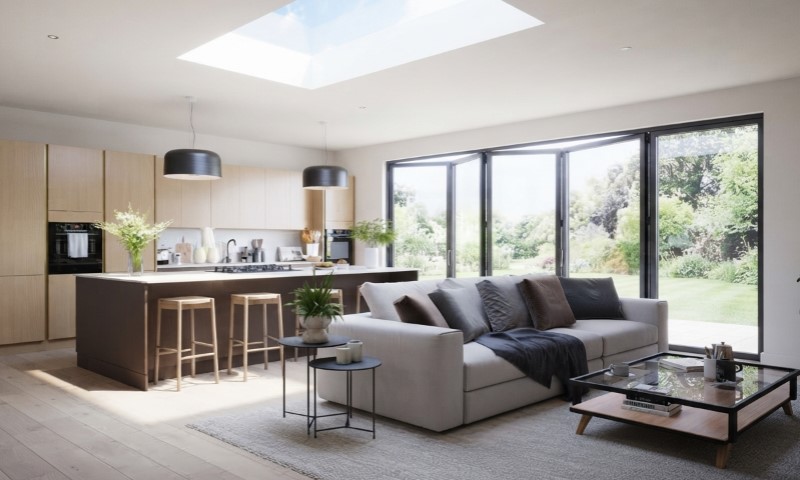
Natural light during daytime can make interiors feel open, calm, and restorative, while harsh overhead lighting at night can make a room feel cold or overly active.
How much daylight reaches a room also depends on decisions made long before lamps and fixtures are chosen.
Window size and placement can shape how bright and open an interior feels throughout the day; for example, designs in the Elythera homes catalog make extensive use of large glass openings as part of their contemporary living spaces.
Research outside residential settings also shows how strongly daylight can affect daily functioning.
In one controlled study of 30 office workers, participants exposed to optimized daylight and views slept 37 minutes longer and scored 42% higher on tests of higher-order cognitive performance.
Layered lighting gives people more control over mood and function. Useful options include:
- table lamps for reading and relaxed evenings
- floor lamps for softer ambient light
- sconces for low-level illumination
- dimmers for adjustable brightness
- candles for a softer nighttime atmosphere
- adjustable fixtures for task-focused activities
Different activities need different light levels. Working, cooking, reading, talking with guests, and winding down at night rarely benefit with one fixed lighting setup.
Color temperature offers another way to control how lighting feels.
Bulbs around 2700K to 3000K produce a warmer white appearance, while 4000K and higher produce a cooler, bluer white.
Lower color temperatures can therefore make sense in areas intended for evening relaxation, while cooler light may suit task-focused spaces.
Small Conveniences Create Everyday Comfort
Many of the most useful comfort features are easy to overlook because they work quietly.
A blanket placed near the sofa, slippers by the door, a reading lamp beside a chair, or charging access near a bed can make daily life easier without changing how a room looks.
Put Everyday Items Where They Are Actually Used
Useful placement matters most when it follows common behavior. Bags need a practical drop zone, while shoes need an easy storage spot near the entrance.
Bedrooms benefit when bedside tables hold items people regularly reach for before sleep.
Kitchens feel easier to use when frequently used mugs, utensils, and small appliances are stored close to where they are needed.
A few practical details can make repeated routines noticeably smoother:
- hooks near an entrance can keep bags and jackets off chairs
- a side table near seating can provide a place for drinks, books, or glasses
- charging points near beds and sofas can reduce the need for extension cords
- a small tray near the door can keep keys and other everyday items together
Design Around Repeated Habits
Anticipatory design means arranging a home around actions that happen again and again.
Someone who reads every evening may benefit more from a well-positioned lamp than another decorative accessory.
Families that remove shoes at the door may get more value from a bench and shoe storage than extra décor in the entryway.
Small improvements like these can reduce friction dozens of times each week. Comfort often comes through removing tiny inconveniences before they become irritating.
A Comfortable Home Should Look Lived In
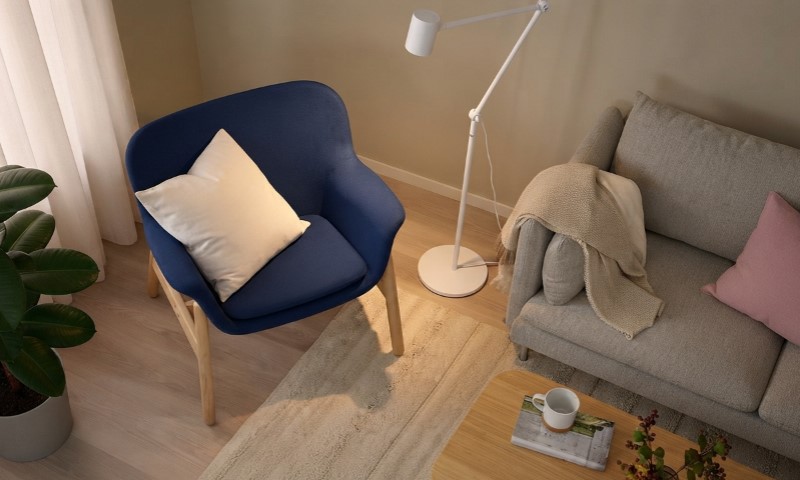
Family photos, inherited objects, books, collected art, travel souvenirs, and handmade pieces give a room emotional context.
Perfect coordination can sometimes work against comfort.
Matching every color, surface, and accessory may look controlled, yet a home can feel more welcoming when it includes objects gathered over time.
Meaning creates attachment.
A worn chair connected to family memories or a shelf filled with favorite books may contribute more to comfort than a perfectly styled display with no personal significance.
Color Should Support Mood, Not Compete for Attention
@olena_prykhodko Living Room Color Psychology: Designer Colors That Affect Mood Your living room is the emotional center of your home. The color you choose can influence comfort, energy, calmness, and even how welcoming the space feels. From greige to deep olive, here’s how designer living room colors affect your mood. Save this before your next home update. #LivingRoomDesign #ColorPsychology #interiordesign
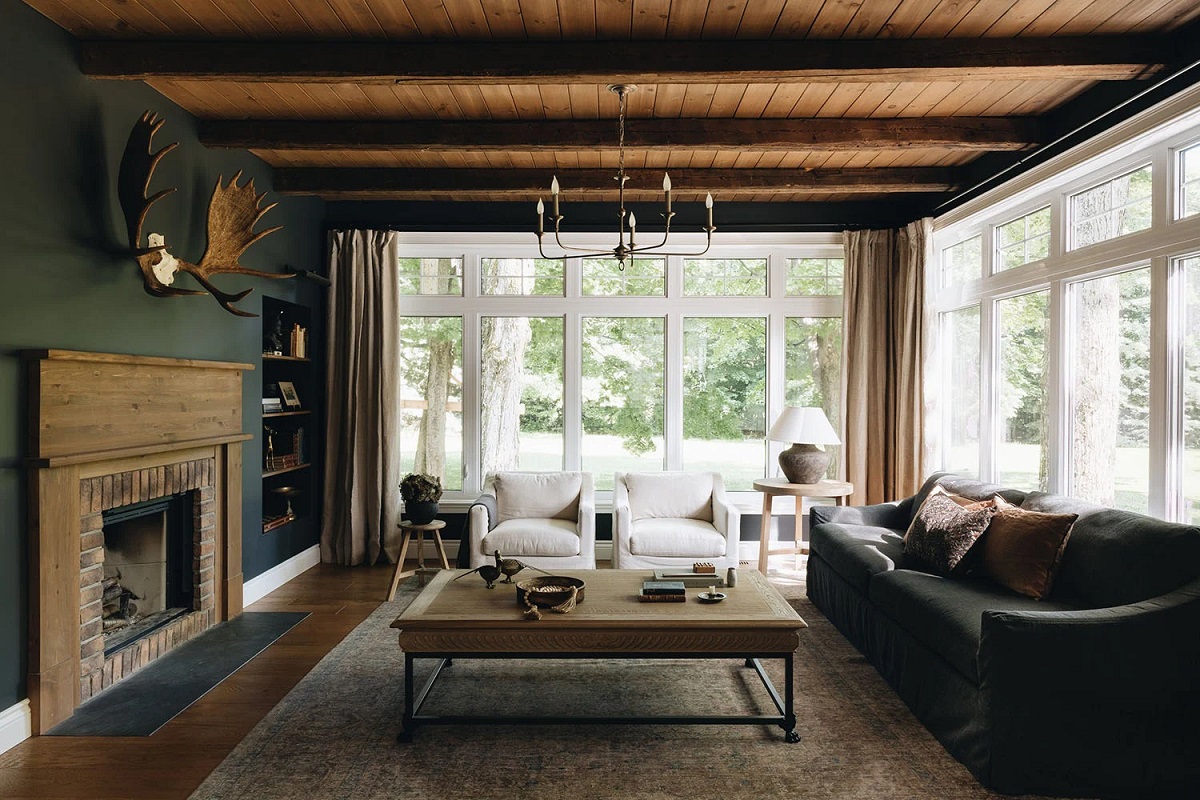
Muted greens, warm neutrals, soft earth tones, dusty blues, and related shades can create visual continuity without making a room feel flat.
Comfort does not require avoiding color. Better results often come through controlling where stronger shades appear and how they interact across a room.
A systematic review covering 132 studies, more than 42,000 participants, and 64 countries found that blue, green, green-blue, and white were commonly associated with positive, lower-arousal emotions.
Warmer colors such as red, yellow, and orange had stronger associations with higher arousal. Room context and personal preference still matter, so such patterns are better treated as design clues than fixed rules.
Create Continuity With Related Tones
Tonal palettes work because nearby shades feel connected. Walls, rugs, curtains, and upholstery do not need to match exactly.
Similar levels of warmth or saturation can help separate elements feel coherent.
Warm cream walls, soft brown upholstery, muted terracotta accents, and natural wood, for example, can sit comfortably together without looking overly coordinated.
Large surfaces usually have the strongest visual presence, so keeping them relatively calm can make a room easier on the eyes.
Use Stronger Color in Smaller Doses
Artwork, textiles, books, ceramics, and smaller accents can carry more saturated color.
Certain areas offer an easy place to introduce stronger shades without making the whole room feel visually busy:
- cushions can add color without dominating seating
- artwork can create a focal point against quieter walls
- books and ceramics can add variation to shelving
- throws can introduce seasonal color without requiring permanent changes
Keeping larger surfaces calmer gives personal details more space to matter while preventing every part of the room from competing for attention.
FAQs
Summary
Furniture is only one part of a comfortable home. Softness and ergonomics support the body. Light, texture, color, and natural materials support the senses.
Practical layouts and organization support daily routines. Meaningful belongings and repeated rituals support emotional connection.
Better design questions focus on lived experience. Instead of asking only, “Does this room look good?” ask, “Does living here feel easy?”