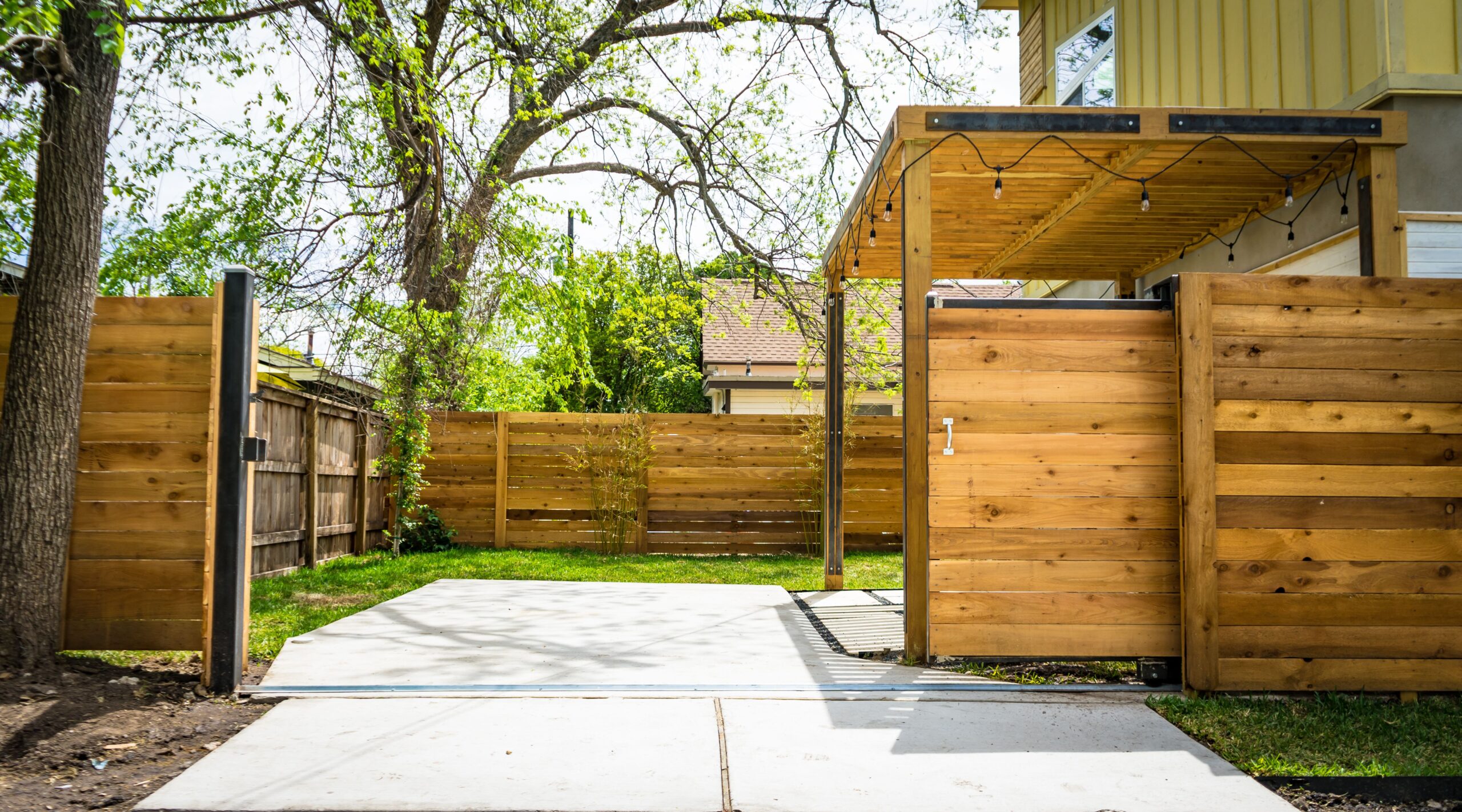
A backyard can be technically enclosed and still feel exposed. A fence may block the view from one neighbor while leaving the patio in full sight from an upstairs window, and a row of chairs may look inviting until wind, glare, or hot paving makes everyone retreat indoors.
The better approach is to design the garden as an outdoor room. Use fencing where you need a dependable boundary, then soften and complete it with planting, shade, comfortable furniture, and lighting that helps people settle in rather than shining into their eyes. Privacy should be selective: block the awkward sightlines, preserve useful views, and keep air and daylight moving.
This guide explains how to make a backyard more private, comfortable, and inviting without turning it into a fortress or filling it with features nobody uses.
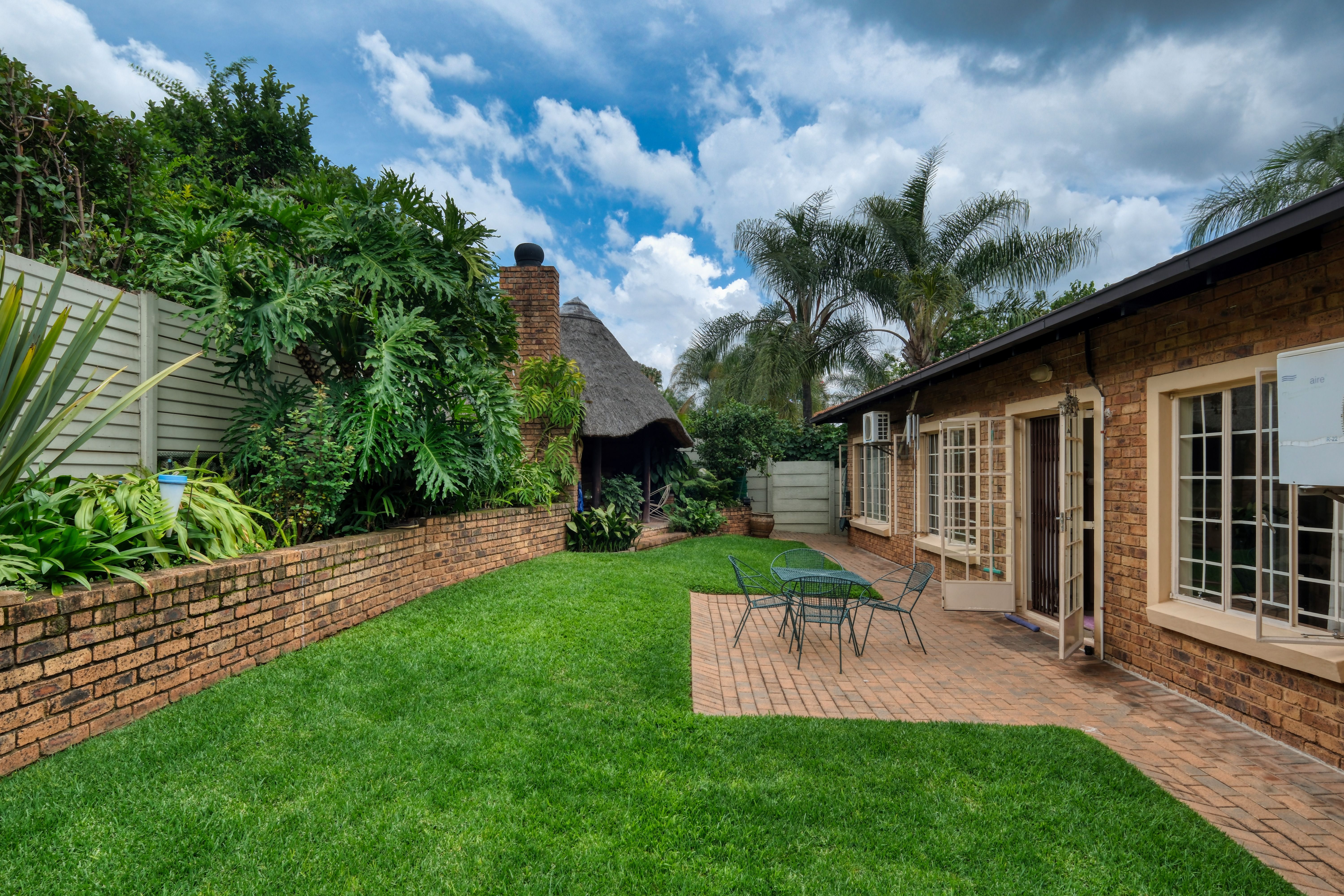
Contents
- Read the yard before buying anything
- Build privacy in layers
- Design for comfort first
- Make evenings feel warm, not glaring
- Give the backyard a reason to be used
- A simple order of work
- Frequently asked questions
Read the yard before buying anything
Spend time in the backyard at different times of day before choosing a screen or rearranging the patio. Stand where you expect to sit, then look back toward the house, neighboring windows, gates, roads, and any elevated viewpoints. The privacy problem is usually a line of sight, not the whole boundary.
Also note the conditions that make the space uncomfortable:
- Where does afternoon sun land on the seating?
- Which direction does the strongest wind arrive from?
- Does rain drip from a roof edge onto the area you want to use?
- Do voices carry across a hard wall, fence, or paved surface?
- Is the ground level enough for stable furniture and safe walking?
Take a few photographs from seated eye level. This simple step often reveals that a low screen, a tree canopy, or a change in furniture angle will solve the issue more gracefully than a tall opaque barrier.
Build privacy in layers, not with one heavy wall
A single solid boundary can provide privacy quickly, but it can also reduce light, trap wind, and make a small yard feel narrow. The Royal Horticultural Society recommends balancing shelter and privacy with light and outward views; its guidance on screening also points to permeable screens, hedges, climbers, and carefully positioned trees as alternatives to an unbroken wall.
Use the right screen for the sightline
| Privacy problem | Useful first move | What to watch |
|---|---|---|
| Views from a neighboring ground-floor window | A medium-height screen, hedge, or trellis beside the seating | Do not block all daylight at the boundary |
| Views from an upstairs window | A pergola roof, pleached tree canopy, or carefully placed umbrella | A taller fence alone may not solve an overhead view |
| A busy road or walkway | A layered boundary with a solid lower section and planting above | Leave enough room to prune and maintain the planting |
| Wind crossing an exposed patio | A slatted or planted screen that filters rather than stops the wind | A completely solid wall can create turbulent gusts around its edges |
| A small overlooked corner | Angle the seating toward a focal point and screen only the unwanted view | Do not spend money screening areas you never use |
Design note: These are planning choices rather than universal dimensions. Local building rules, boundary agreements, mature plant size, and the exact position of neighboring windows still need checking.
Planting in front of a boundary usually looks more settled than a bare fence. Evergreen plants can preserve privacy through winter, while deciduous plants let in more light and can provide flowers, berries, or autumn color. The RHS advises choosing species for the soil, available space, final height, and the amount of maintenance you can realistically provide. A fast-growing screen that needs frequent clipping is not low-maintenance simply because it arrived small.
For a narrow yard, use vertical layers: a climber on a trellis, a slim shrub or small tree, and low planting at the base. This gives the eye several textures to read instead of one flat surface. Keep aggressive spreaders in containers or use non-invasive, clump-forming options suited to your climate; otherwise, the privacy project can become a boundary dispute with roots.
Design for comfort first
People do not stay outside because a patio is attractive in a photograph. They stay because their bodies are comfortable there. Start with shade and seating, then add decoration. The same principle of prioritising everyday comfort is explored in What Actually Makes a Home Feel Comfortable Beyond the Furniture.
Make shade part of the layout
Provide at least one place where someone can sit out of direct sun during the hottest part of the day. A pergola, retractable canopy, mature tree, shade sail, or large movable umbrella can work. The most flexible solution is often a combination: fixed overhead structure for the main seating area and a movable shade source for changing sun angles.
Leave enough clearance for people to walk around chairs without turning sideways. Put the dining table where food can travel easily from the kitchen, but place relaxed lounge seating where the best view or evening light is. That small distinction makes the yard feel planned around use rather than filled with furniture.
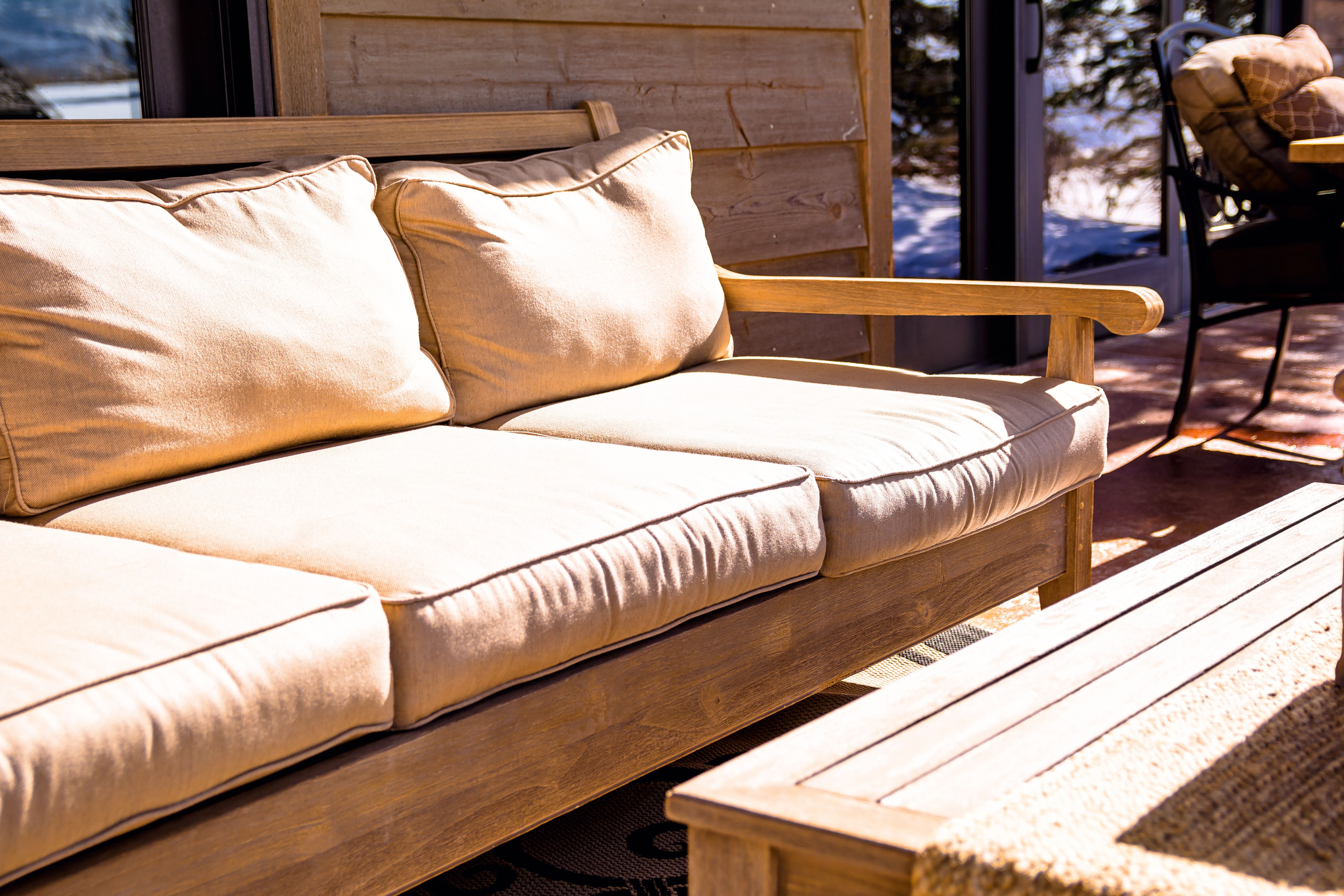
Choose furniture people can use for an hour
Outdoor furniture should support more than a quick drink. Look for a seat height that is easy to get in and out of, cushions that dry properly, and arms or side tables that give people somewhere to put a glass or book. If cushions stay outside, use breathable covers and create a storage plan for wet weather. For everyday care, see this guide on how to clean seat cushions without damaging the fabric.
- Use a rug or change of paving to define the sitting zone, but keep walking routes clear.
- Place a small table within reach of every main seat rather than relying on one large coffee table.
- Mix upright dining chairs with deeper lounge seats so the space works for meals and conversation.
- Choose finishes that do not become painfully hot in direct sun.
- Keep a clear route to the house, shed, and gate; a beautiful layout that obstructs daily movement will be abandoned.
My preference is to furnish one genuinely comfortable zone before adding a second. A smaller backyard with four good seats usually feels more generous than a large patio scattered with occasional chairs that nobody wants to occupy.
Make evenings feel warm, not glaring
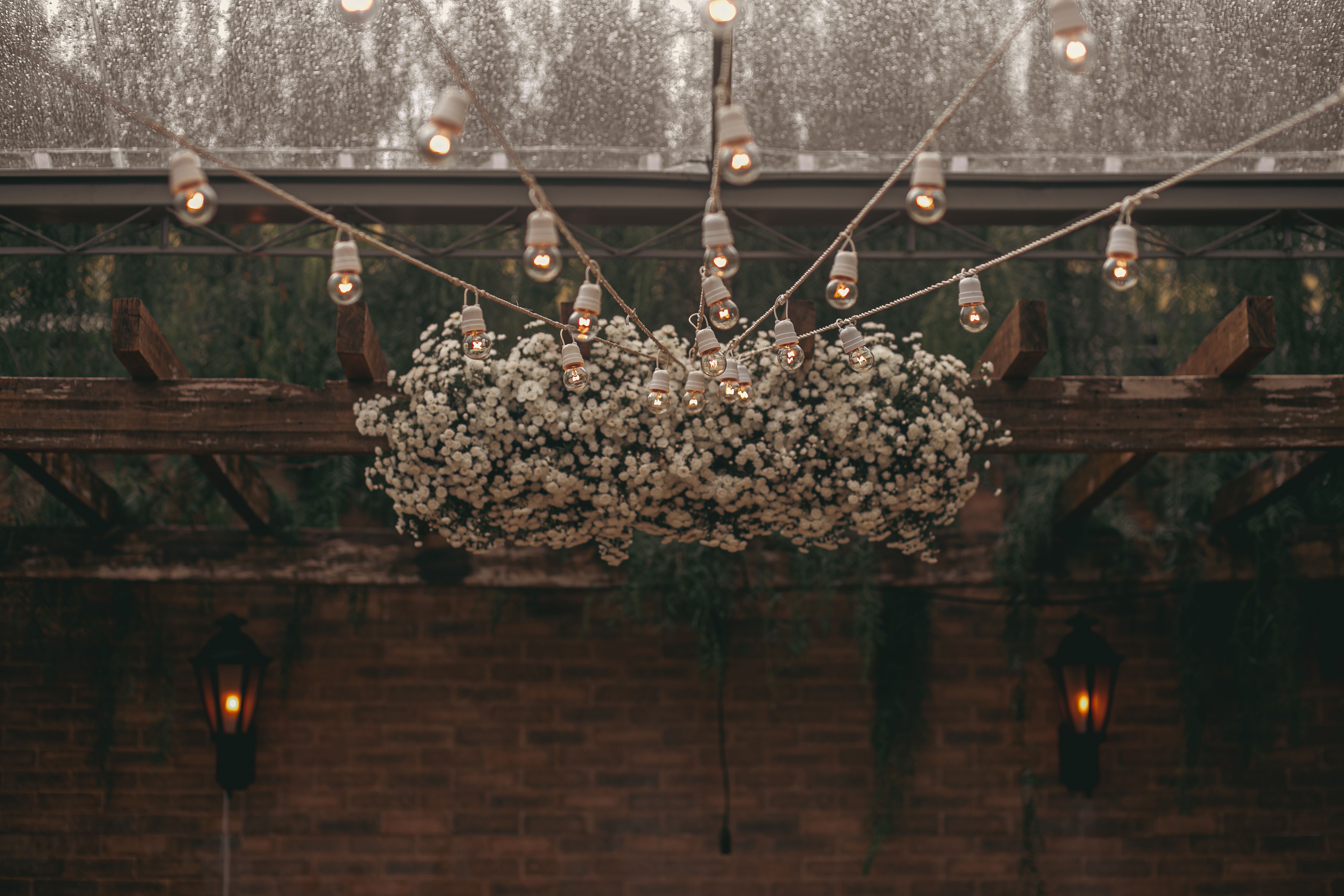
Outdoor lighting should reveal edges, steps, plants, and faces without making the backyard look like a car park. Use several low-level sources instead of one powerful fixture. Wall lights near doors can handle practical tasks; low path lights can mark movement; lanterns or warm decorative lights can make the seating area feel intimate.
Shield lights so they point toward the ground or the surface that needs illumination. The Five Principles for Responsible Outdoor Lighting from DarkSky International recommend directing light only where it is needed, using appropriate brightness, and reducing light pollution. Careful aiming also prevents glare into the house or neighboring gardens. Use timers, dimmers, or motion controls where appropriate, and keep decorative lights on a separate circuit from safety lighting.
String lights are useful under a pergola or between sturdy supports, but they work best as a layer rather than the only light source. Avoid hanging cables where people walk, and use products rated for outdoor conditions. A few pools of light are more restful than uniform brightness across the entire garden.
Give the backyard a reason to be used
An inviting backyard has an activity at its center. That might be eating, reading, gardening, talking, or sitting beside a fire. Decide what you want to happen there before adding a barbecue station, outdoor kitchen, water feature, or decorative structure.
A fire pit can become a strong social anchor, but it should be treated as a fire appliance, not simply as outdoor decoration. The U.S. Fire Administration advises keeping fire pits outdoors and at least 10 feet from a home or anything that can burn, watching children closely, using a metal screen over wood fires, and extinguishing the fire before leaving the area. Always check local rules, wind conditions, fuel requirements, and the manufacturer’s instructions as well.
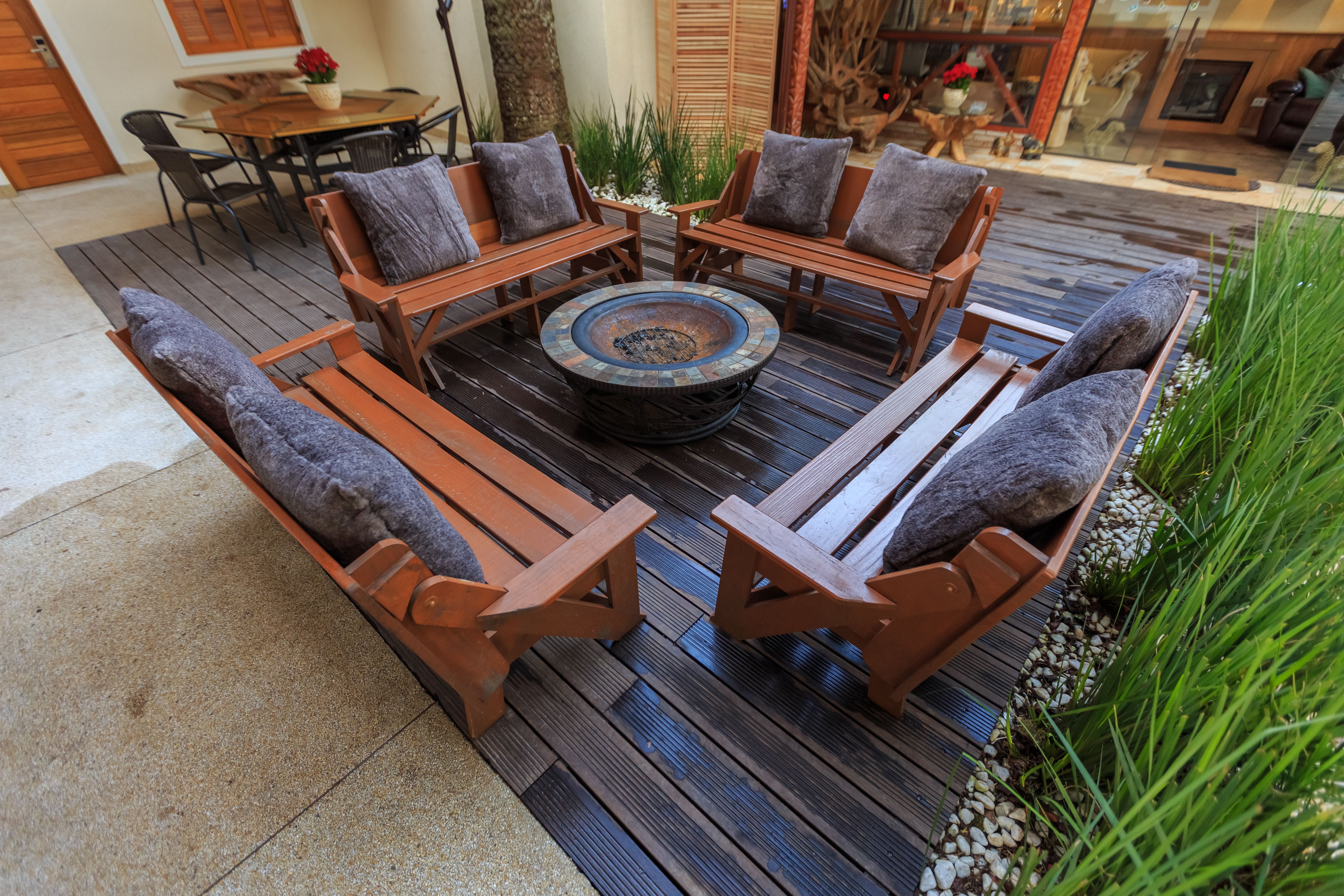
Arrange seats around the activity without forcing everyone to face the same direction. For conversation, a loose circle or shallow arc works better than a straight row. Keep the hottest or smokiest feature downwind of the main seating when possible, and leave a clear route for people carrying food, drinks, or firewood.
A simple order of work
Backyard projects become expensive when finishes are chosen before the layout is settled. Work in this order:
- Fix the sightlines. Mark the views you want to block and the views worth keeping.
- Improve the physical conditions. Solve drainage, uneven paving, wind exposure, and afternoon shade.
- Define one main zone. Place the table or lounge seating where it will actually be used.
- Add the privacy layers. Combine a boundary treatment with planting, a canopy, or a smaller internal screen.
- Install practical lighting. Light steps, doors, and paths before adding decorative fixtures.
- Add atmosphere last. Bring in cushions, pots, textiles, lanterns, and accessories after the hard-working elements are right.
Walk through the finished layout carrying a tray, opening the back door, moving a chair, and watering the plants. These ordinary tests expose awkward decisions faster than a plan viewed from above.
Frequently Asked Questions
A backyard that earns its keep
Privacy is not the same as isolation. The most successful backyard usually has a protected place to sit, a little openness beyond it, and enough planting or structure to make the boundaries recede. It feels private because the important views have been edited, not because every edge has been sealed.
Start with the chair you want to use, the person you want to sit with, and the time of day the yard should work hardest. Then build outward: shade above, screening where it matters, planting for softness, light for evening movement, and only the features that support real use. That is how an ordinary outdoor area becomes a place people choose without being asked.