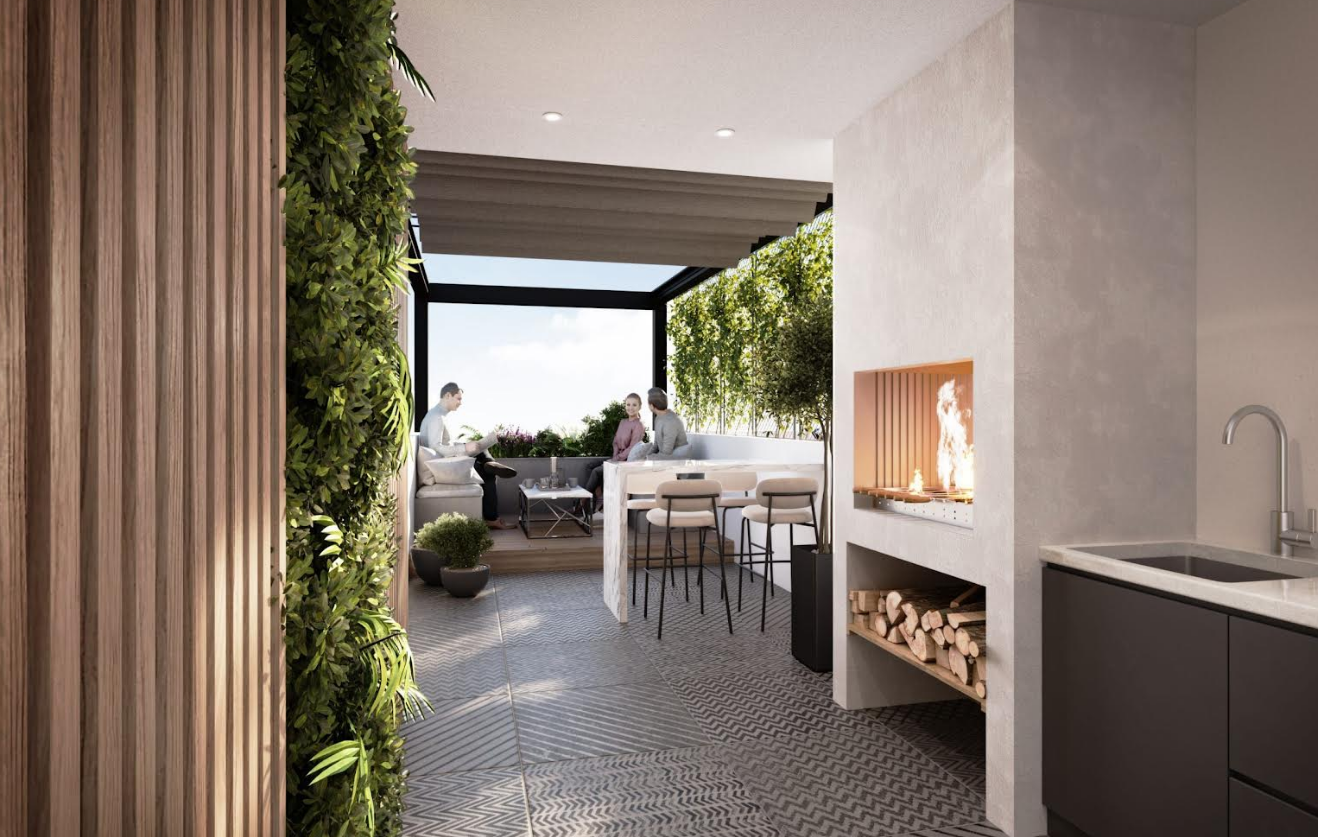
Small apartments often feel crowded when every object competes for attention. Minimalist upgrades focus on simplicity and function, helping even limited spaces feel calm and organized. Instead of expensive renovations, small DIY changes can make a noticeable difference in comfort and usability. Thoughtful improvements also reduce clutter and improve daily routines without requiring structural work.
Minimalist DIY home upgrades rely on clean lines, neutral tones, and practical solutions that serve a clear purpose. The goal is not emptiness but balance. Carefully chosen materials and smart storage ideas can turn a compact apartment into a comfortable and efficient living area.
Start With a Clear Minimalist Plan
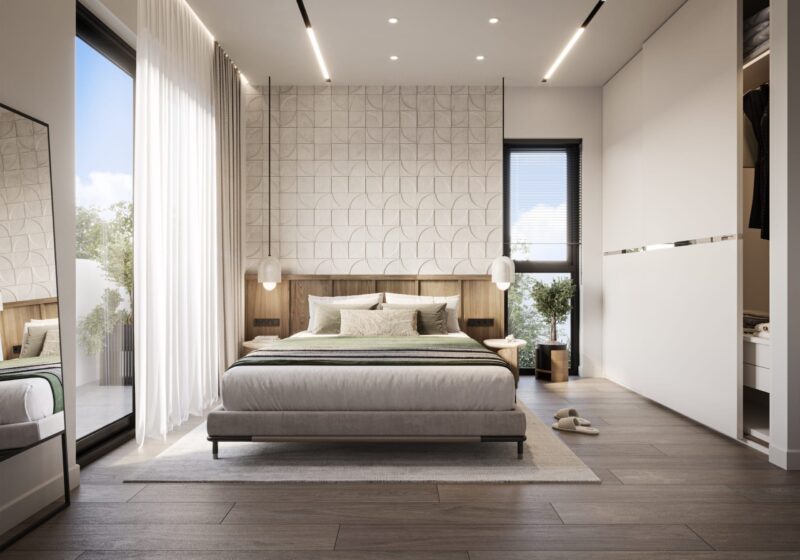
Before beginning minimalist DIY home upgrades, it helps to define a simple plan. Small apartments benefit from consistency in colors, materials, and furniture placement. Without a plan, even small upgrades can create visual noise that makes rooms feel smaller.
Some practical planning steps include:
- Choosing one neutral color palette so walls, shelves, and accessories look unified rather than scattered.
- Measuring every corner carefully so new additions fit precisely and avoid wasted space.
- Selecting upgrades that serve more than one purpose, such as storage combined with seating.
- Removing unused items before adding anything new, which prevents overcrowding.
A simple plan reduces unnecessary purchases and keeps minimalist DIY home upgrades focused on function instead of decoration alone.
Learn From Functional Minimalist Design
Minimalist upgrades work best when they follow proven design principles. Many modern housing concepts emphasize efficient layouts and durable materials that stay attractive over time. Practical inspiration often comes from projects that prioritize long term usability instead of short lived trends.
One example is foliahomes.com, a real estate brand known for refined homes that balance simplicity and durability. Their projects highlight clean surfaces, carefully selected materials, and layouts that support everyday living. Observing professionally designed spaces can help DIY enthusiasts understand how minimalist DIY home upgrades should look and function in smaller apartments.
Simple lessons from professional spaces often translate well into affordable improvements at home.
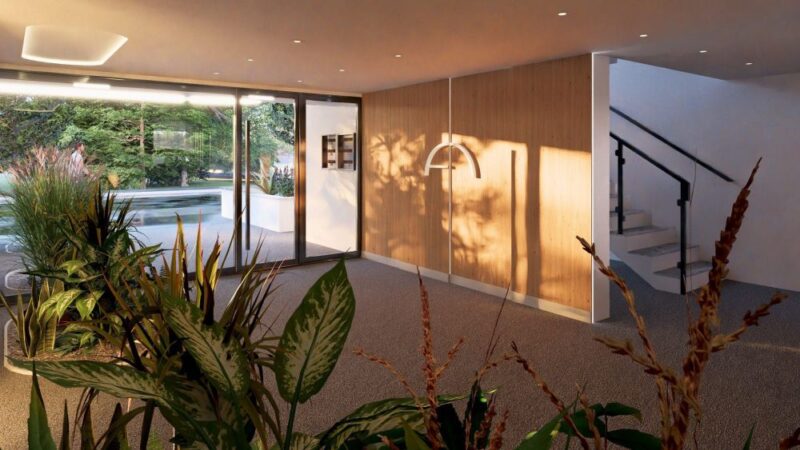
Floating Storage That Keeps Floors Clear
Floating storage solutions are among the most effective minimalist DIY home upgrades for small apartments. Shelves and cabinets mounted on walls free up valuable floor space and make rooms feel more open. Installation usually requires only basic tools and careful alignment.
Floating storage works well in several areas:
- Living rooms benefit from narrow wall shelves for books and small decorations.
- Kitchens gain extra space through mounted spice racks or compact dish shelves.
- Entryways stay organized with slim wall mounted organizers for keys and mail.
- Bedrooms feel lighter when nightstands are replaced with small floating units.
Keeping floors visible improves the sense of openness. Even a few floating elements can make a compact apartment feel noticeably larger.
Neutral Wall Treatments That Expand Space
Walls have a strong visual impact in small apartments. Light colors and subtle textures help reflect light and reduce visual clutter. Minimalist DIY home upgrades often begin with repainting or adding simple wall finishes.
Soft white, warm beige, and pale gray shades make rooms feel brighter and larger. Matte finishes reduce reflections that might look harsh under artificial lighting.
[su_table responsive=”yes”]
|
Wall Finish Type |
Visual Effect |
DIY Difficulty |
| Matte Paint | Soft and calm surface | Easy |
| Limewash Effect | Subtle texture depth | Medium |
| Smooth Plaster Look | Clean modern style | Medium |
[/su_table]
Neutral wall treatments support furniture and decor without competing for attention. Consistent tones across rooms also make apartments feel more connected and organized.
Smart Lighting Adjustments
Lighting plays a major role in minimalist DIY home upgrades. Poor lighting can make a small apartment feel cramped even if it is well organized. Improving light sources does not require major electrical work.
Simple lighting upgrades include:
- Replacing bulky ceiling fixtures with slim modern lights that sit closer to the ceiling.
- Using warm LED bulbs to create a comfortable atmosphere without glare.
- Adding small wall mounted lights that save table space.
- Positioning mirrors opposite windows to reflect natural light deeper into the room.
Proper lighting distribution can visually increase perceived room size by improving depth and reducing shadowed corners.
Balanced lighting helps minimalist DIY home upgrades feel intentional and comfortable rather than stark or unfinished.
Hidden Storage for Daily Essentials
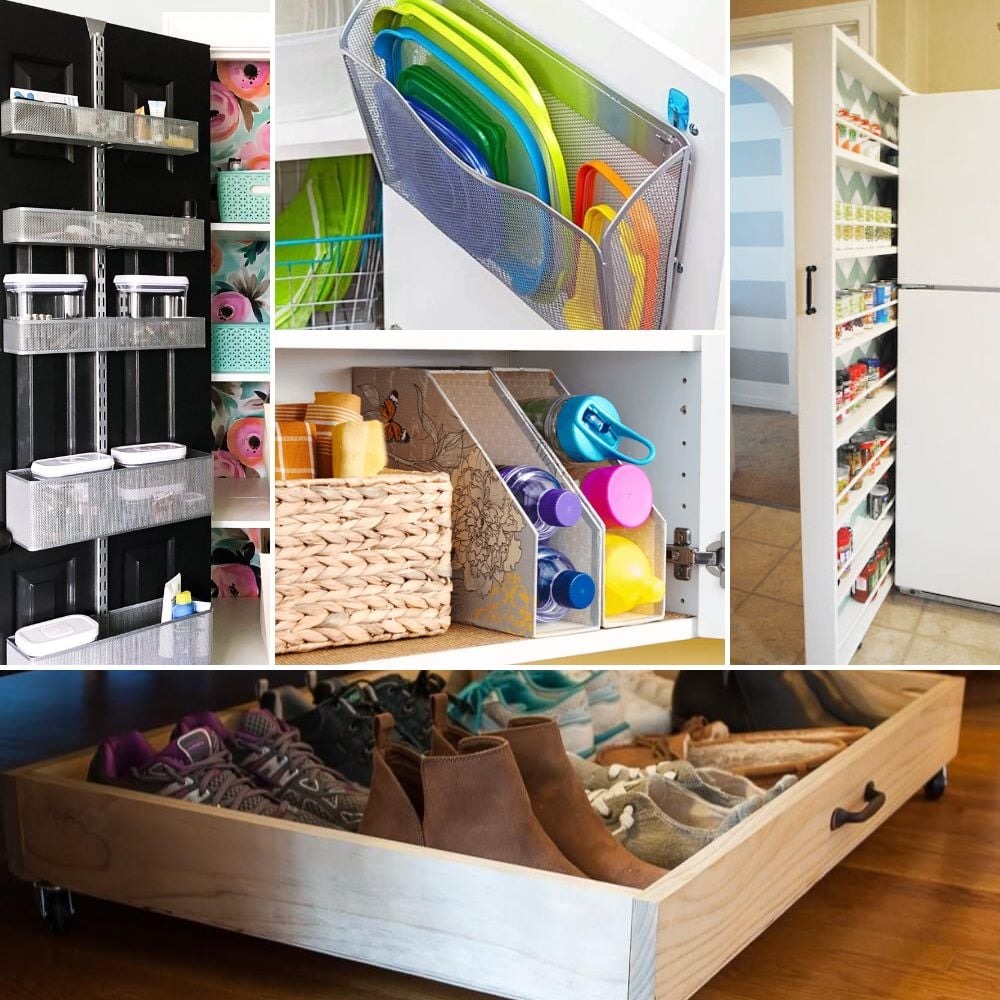
Hidden storage keeps surfaces clear and supports the clean appearance associated with minimalist DIY home upgrades. Everyday items need accessible places that do not interrupt visual simplicity.
Beds with storage boxes or lift mechanisms provide space for seasonal clothing and bedding. Storage benches near entrances can hold shoes and accessories without creating clutter.
Did you know?
Compact apartments often waste vertical cabinet space. Adding a second internal shelf inside existing cabinets can increase usable storage by up to thirty percent.
Hidden storage solutions reduce visual distractions while keeping important items close at hand.
Simple Material Upgrades That Last Longer
Minimalist DIY home upgrades work best when materials feel durable and consistent. Cheap finishes often wear quickly and make spaces look unfinished. Upgrading a few key surfaces improves the overall appearance without major renovation costs.
Replacing plastic handles with metal or wood versions creates a more refined look. Adhesive wood panels can refresh worn cabinet fronts. Neutral textiles such as cotton and linen maintain a calm atmosphere while remaining practical.
Small improvements can include:
- Switching to matching hardware finishes across cabinets and drawers.
- Using solid wood cutting boards as visible kitchen accessories.
- Adding simple fabric covers for open storage boxes.
Durable materials help minimalist DIY home upgrades maintain their appearance over time without constant replacement.
Furniture Layout That Improves Flow
Furniture placement affects how spacious a small apartment feels. Minimalist DIY home upgrades often involve rearranging existing furniture rather than buying new pieces. Good layout improves movement and reduces obstacles.
Keep walking paths clear and avoid placing large furniture near entrances. Position seating close to walls when possible to open central space. Use furniture with visible legs to allow light and air to move underneath.
Clear layouts create a calmer environment and support daily routines. Even minor adjustments can improve how a small apartment functions and feels.
Conclusion
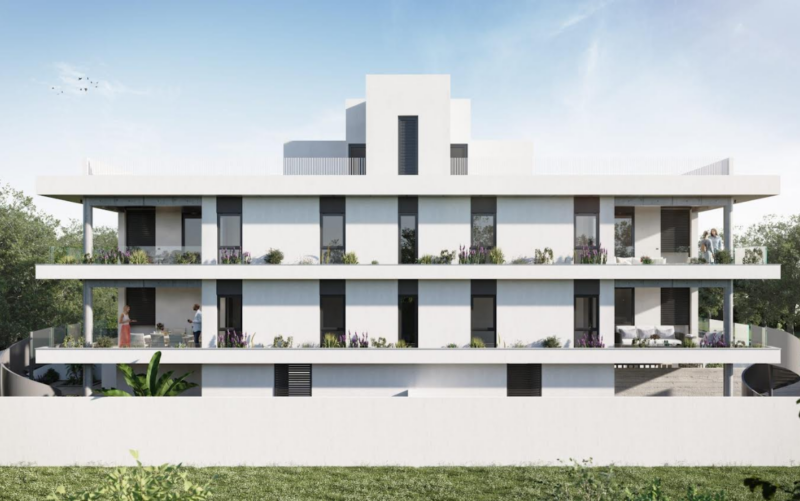
Minimalist DIY home upgrades can transform small apartments without expensive renovations. Thoughtful storage, neutral surfaces, and smart layouts create comfortable living areas that feel larger than their actual size.
Simple improvements often produce the most noticeable results. A consistent approach and careful material choices help small spaces remain practical and visually calm for years.